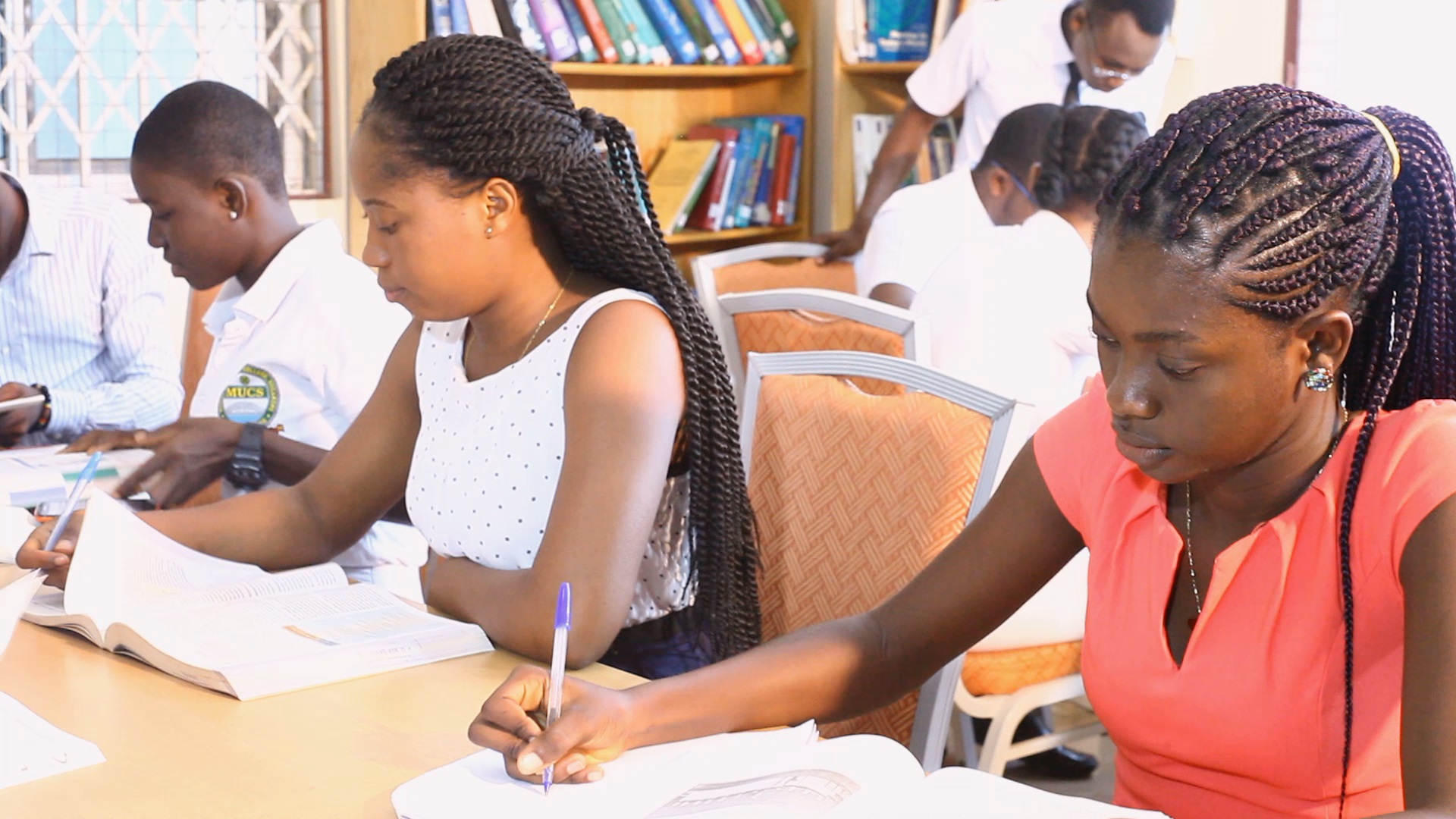
A digital library is a collection of digital content, such as eBooks, articles, and videos, accessible online. Unlike traditional libraries, digital libraries store and organize materials in electronic formats, making it easier to search, access, and share information from anywhere.
Key Features of a Digital Library:
Access to a broad range of digital materials
Advanced search and filtering options
Online availability anytime, anywhere
Secure storage and easy content updates
Digital libraries provide instant access to vast resources, making them ideal for students, researchers, and casual readers. Below are the top advantages of using a digital library.
Digital libraries offer an extensive range of resources, including academic journals, textbooks, articles, research papers, audio recordings, video lectures, and multimedia content.
Academic Research: Access to DOAJ (Directory of Open Access Journals), Google Scholar.
Educational Materials: Open courseware from MIT OpenCourseWare and Coursera.
eBooks & Literature: Free access via Project Gutenberg, Open Library, and Google Books.
Multimedia Content: Video lectures from TED-Ed, Khan Academy, and YouTube EDU.
With digital libraries, users can explore diverse subjects without the limitations of physical space, making learning more efficient and interactive.
Unlike printed books, digital resources can be updated instantly to reflect the latest information, ensuring that users always have access to current data and research. Universities and publishers frequently revise eBooks, research papers, and multimedia courses to keep up with new developments.
Yes, you can access a digital library anytime from anywhere, as long as you have an internet connection. Many platforms also offer offline access, allowing users to download books, articles, or lecture videos for later use without internet connectivity.
Powerful search tools enable users to find specific information within seconds. Features such as AI-driven search engines, keyword filtering, and category-based navigation make it easy to locate resources efficiently, saving valuable research time.
Yes, digital libraries are accessible around the clock, making them ideal for users in different time zones or those with busy schedules. This availability supports students and researchers who prefer studying at unconventional hours.
Yes, most digital libraries allow multiple users to access the same content simultaneously. Unlike traditional libraries where only one person can check out a book at a time, digital libraries support unlimited concurrent access, making them a practical solution for academic institutions and research teams.
Digital libraries integrate with automated indexing, citation management, and tracking tools, reducing manual administrative tasks and ensuring efficient resource organization.
Many digital libraries offer interactive features such as:
Discussion forums for academic collaboration
Live support & chatbots for research assistance
Collaborative annotations & note-sharing tools These features make learning more engaging and connected.
By storing books and research in digital formats, digital libraries help preserve valuable knowledge while reducing environmental impact by minimizing paper usage. Institutions like the Library of Congress and Europeana Digital Library focus on long-term digital preservation.
Digital libraries archive important research and historical documents, ensuring that knowledge remains accessible for future generations. UNESCO’s World Digital Library and Google’s Cultural Institute are prime examples of initiatives preserving global history digitally.